
 English articles
 Mafie ● Resistenze
Permessi dal carcere duro e telefonini in cella, il pericolo dei boss che tornano al comando


22 maggio 2026
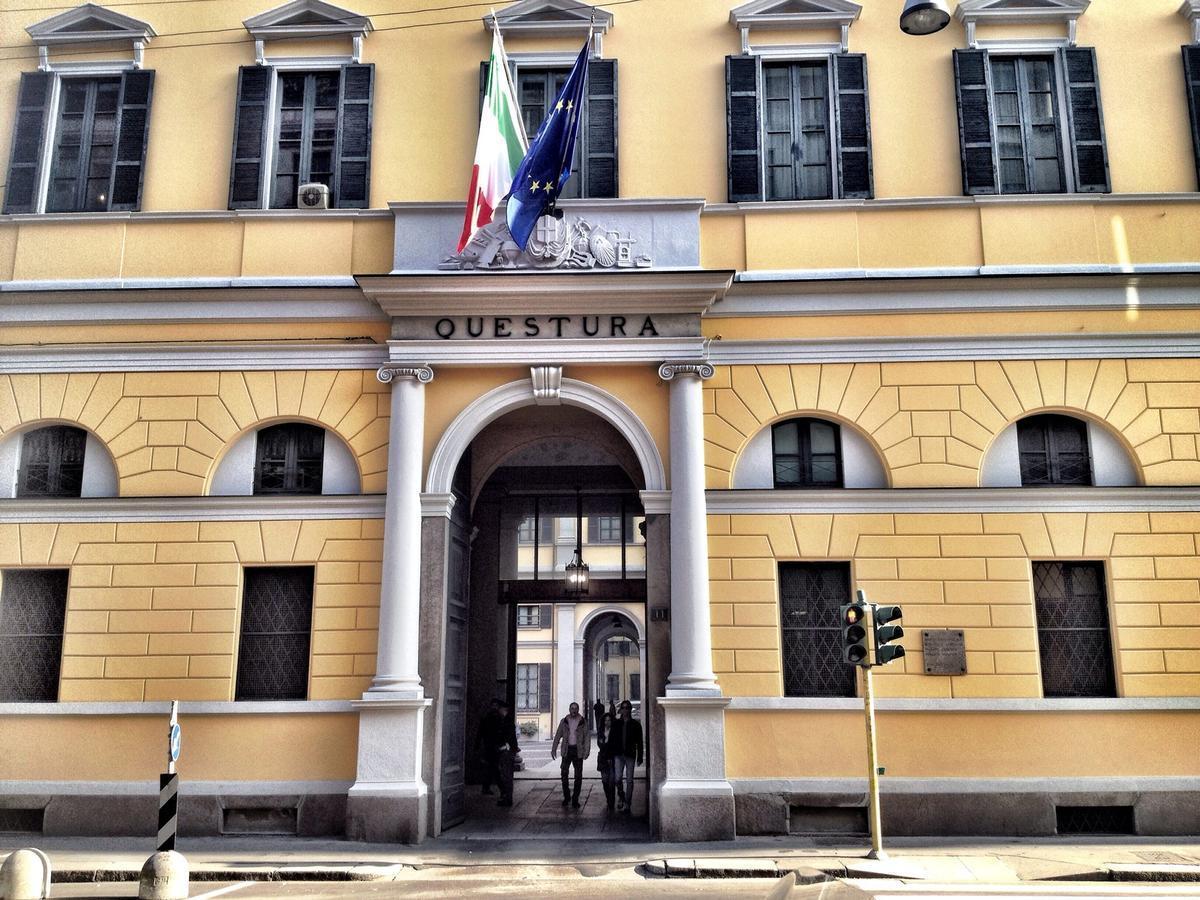
There are no chairs or tables, the toilets are dirty, the blankets are not sanitised and there is little natural light. The Milan police headquarters describes them as ‘suitable’ premises – that is, fit for holding foreign nationals awaiting repatriation – but for the Prisoners’ Ombudsman, who visited the facilities in the Lombardy city in July 2025, there is little that is ‘suitable’ about these rooms.
The report is damning, particularly regarding the 16 security cells located on the ground floor of the police headquarters, used for people in custody or under arrest and, only in exceptional cases, for those awaiting repatriation. Between January 2024 and August 2025, 592 people were detained in these ‘suitable facilities’ and security cells in Milan.
Between January 2024 and August 2025, 592 people were detained
The Ombudsman’s commission visited two security cells, which were deemed inadequate given their "highly dilapidated condition". The bathroom lacked a shower (necessary for detentions exceeding 24 hours) and the steel sanitary fixtures were covered in foul-smelling encrustations. Furthermore, on the concrete beds, where a foam mattress was placed, there were blankets “clearly used by those who had been there before”. The police headquarters confirmed that these spaces are “only occasionally sanitised”.
The Ombudsman’s commission visited two security cells. The bathroom lacked a shower and the steel sanitary fixtures were covered in foul-smelling encrustations.
In the designated room, however, towels, bed linen, shoes and slippers are provided by charities rather than the authorities. During the summer months, there is no air conditioning, but at least one window provides some natural light. In any case, there is neither an emergency call bell nor a switch to turn the light on or off from inside.
Speaking with staff responsible for supervisingforeign nationals, the Ombudsman discovered that they are poorly informed about the rules to be followed during detention. In the absence of medical staff, it is the staff themselves who ask for information on health status and any need for medication.
“In principle,” the document states, “only migrants without health issues are detained in suitable facilities.” Based on the same data obtained during the visit, the police headquarters reported that ten people were taken to hospital. The meals provided are dry: sandwiches, fruit, a sweet snack and water, whilst mobile phones are collected on entry and those wishing to contact someone must give advance notice.
The Ombudsman’s commission visited two security cells, which were deemed inadequate given their "highly dilapidated condition". The bathroom lacked a shower (necessary for detentions exceeding 24 hours) and the steel sanitary fixtures were covered in foul-smelling encrustations.
On this point, the Ombudsman explained that devices should not be confiscated, to allow access to the internet even if only to obtain information or pass the time. Meetings with defence lawyers take place in private, but are supervised by the officer on duty. In the attendance registers, under the heading ‘information on rights’ – the document that foreign nationals must sign at the start of their stay – the phrase ‘refuses to sign’ often appears; however, according to the Ombudsman, rather than a refusal, it seems that the forms are simply not being handed out.
“In fact, even on the day of the visit, staff had difficulty locating them,” the report states. Cultural mediators, who could help people overcome at least the language barrier, are also only available from Monday to Friday until 5 pm. And if someone is admitted at the weekend, no support is provided.
CCTV is active 24 hours a day, even in private rooms (unlike in CPRs, where recording can only be initiated in communal areas), and the same strictness applies to parcels arriving from outside. The final sore point concerns the detention and expulsion orders signed by the justice of the peace: since 2020, these can be completed electronically, which means that the magistrate, as the report highlights, “has never accessed the security cells to assess their suitability”.
In fact, video links with the judicial authorities take place in a small room, which, when necessary, serves as a medical clinic, a lawyers’ room and even a storeroom.
On 10 March 2026, the Chief of the State Police, Vittorio Pisani, responded to the document from the Data Protection Authority’s panel: “The Milan Police Headquarters,” wrote Pisani, “has stated that new suitable premises, built in Via Corelli, will soon be available and will meet the safety and adequacy standards recommended by the national data protection authority.” He added that “foreign nationals are promptly informed, in a language they can understand, both through the provision of explanatory material and orally with the assistance of cultural mediators, of the reasons why they are in such places, with the possibility of applying for international protection, participating in assisted voluntary return programmes and receiving personal items from outside, appointing and meeting with a defence lawyer, and exercising any other rights they may have”.
With regard to telephone communication, the Chief of Police emphasised that mobile phones are placed in a locker and retrieved “whenever the individual requests them” and “under the supervision of staff”, in order to “balance security requirements with the right to freedom of telephone communication”. On the issue of health protection, “it is the responsibility of the Immigration Office of the Police Headquarters to conduct preliminary investigations into the health conditions of those involved in the procedure”. Should a foreign national feel unwell, they call 118.
Attached to Pisani’s reply is another documentfrom the immigration office of the Milan Police Headquarters. Of particular interest is the section on the physical conditions of suitable premises. “The new suitable premises built in Via Corelli, adjacent to but separate from the CPR facility, are each equipped (four premises in total) with toilets and showers; pending their full operational readiness, the technical and logistics office will in any case be instructed to step up cleaning services and replace bedding.”
As in the case of Palermo, the Milan police headquarters also does not always allow the use of telephones due to "potential danger to the safety of the individual, other guests and staff, as such devices could be used as a means to carry out dangerous or self-harming acts".
This article was translated by Kompreno with the support of DeepL.
La tua donazione ci servirà a mantenere il sito accessibile a tutti
Il nuovo numero dedicato alla "criminalità riorganizzata": dalle reti finanziarie clandestine al narcotraffico, dalle nuove tecnologie alla violenza che torna nelle strade di Palermo. Un dossier che mette in fila numeri, inchieste e testimonianze per mostrare il volto attuale delle mafie




La tua donazione ci servirà a mantenere il sito accessibile a tutti


 Editoriali e Commenti
 Dona con Paypal
 Dona con Satispay